Plan Successful Events: Behind-the-Scenes Strategies
Events, Marketing Operations
A Successful Event Starts Long Before the Doors Open
The most memorable events don’t just happen on the show floor. They’re built quietly in the background, where marketing, operations, and technology come together to create a seamless journey from first click to final follow‑up.
Why Integrating Systems Behind the Scenes Matters
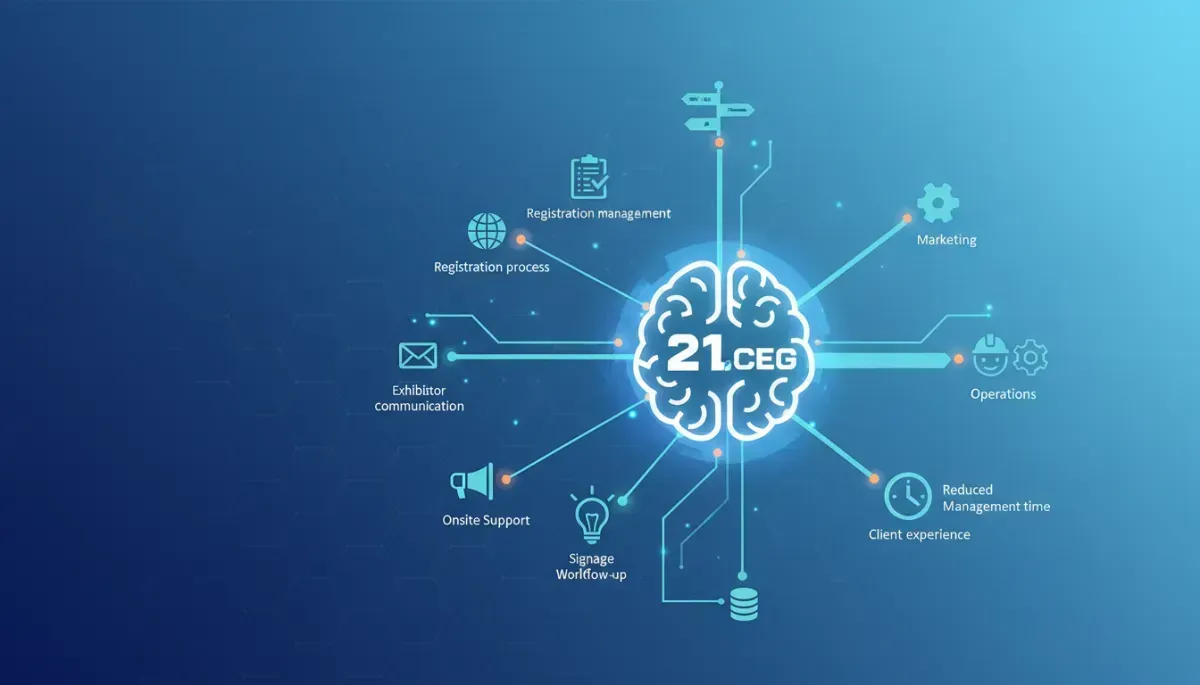
A modern event is a network of moving parts: website pages, registration forms, email campaigns, exhibitor communication, signage production, and onsite support. When these systems operate in isolation, details slip through the cracks, teams duplicate work, and attendees feel the friction. Integrated systems turn that chaos into a coordinated experience, so every interaction feels intentional and professional—for attendees, exhibitors, and internal teams alike.
Website and Content Management: The First Touchpoint
Your event website is where the journey begins. Effective website management and content management ensure that information is accurate, timely, and aligned with your goals. When the site is integrated with your registration platform and email tools, updates to schedules, speakers, or floorplans automatically flow through to attendees and exhibitors, reducing manual edits and eliminating conflicting information across channels.
Lead-Generation Funnels and the Registration Process
Strong lead-generation funnels don’t just capture names; they capture intent. From gated content and early-bird offers to exhibitor interest forms, each touchpoint should feed directly into your registration process. When these funnels are integrated, prospects move smoothly from initial inquiry to confirmed attendee or exhibitor, with clear tracking of where they came from and what they’re interested in—data your sales and operations teams can actually use.
Email Communication, Marketing, and Automation
Once a prospect engages, email communication becomes the backbone of your event narrative. Integrated email marketing and automation can segment audiences by role, interests, or registration status, sending the right message at the right time—welcome sequences, deadline reminders, onsite tips, post-event surveys, and exhibitor follow-up prompts. Automation reduces manual sending and helps ensure no one slips through the cracks when timelines get tight.

A connected dashboard turns scattered event tasks into a single, manageable workflow.
Exhibitor Communication and Follow-Up That Feels Effortless
Exhibitors are often your most important stakeholders. Integrated exhibitor communication tools centralize deadlines, forms, and updates in one place, while automated reminders keep everyone on track. After the event, exhibitor follow-up can be triggered automatically—sharing leads, surveys, and renewal opportunities—so your team spends less time chasing information and more time nurturing relationships and revenue.
From Digital to Physical: Signage Workflow and Onsite Support
The handoff from screen to show floor is where many events stumble. A connected signage workflow links your digital content—session titles, sponsors, room changes—directly to production files, so updates don’t require starting from scratch. When this is paired with organized onsite support, your team can respond quickly to last-minute changes, ensuring that what attendees see onsite matches what they saw online and in their inboxes.
Coordination Between Digital and Production Workflows
True efficiency comes from coordination between digital and production workflows. When your website, registration, email, exhibitor portals, and signage systems all draw from the same source of truth, every update cascades consistently. This reduces rework, prevents misprints, and shortens approval cycles—freeing your team to focus on strategic decisions instead of chasing versions and correcting errors at the eleventh hour.
How 21st Century Expo Group Connects the Moving Parts
This is where partnering with 21st Century Expo Group changes the game. Their team understands both the digital and physical sides of events, helping clients integrate website and content management, lead-generation funnels, registration support, and signage and production workflows into one organized system. By mapping the entire journey—from initial inquiry to move-out—they help ensure that every tool, team, and timeline is working from the same playbook.
Marketing and Operations Working Together to Elevate the Experience
When marketing and operations work together inside a connected system, the result is a smoother, more professional experience for everyone involved. Attendees receive clear, consistent communication. Exhibitors get timely information and fast follow-up. Internally, teams spend less time managing spreadsheets and more time improving the event itself. With 21st Century Expo Group helping to align these functions, organizations see a tangible reduction in internal management time and a noticeable lift in client satisfaction.
Is your marketing system connected to what happens after a prospect submits an inquiry?