Lead Follow-Up: Key to Successful Lead Generation
Lead Follow-up, Lead Generation, CRM System, Lead Management
Why Lead Follow-Up Is Just as Important as Lead Generation
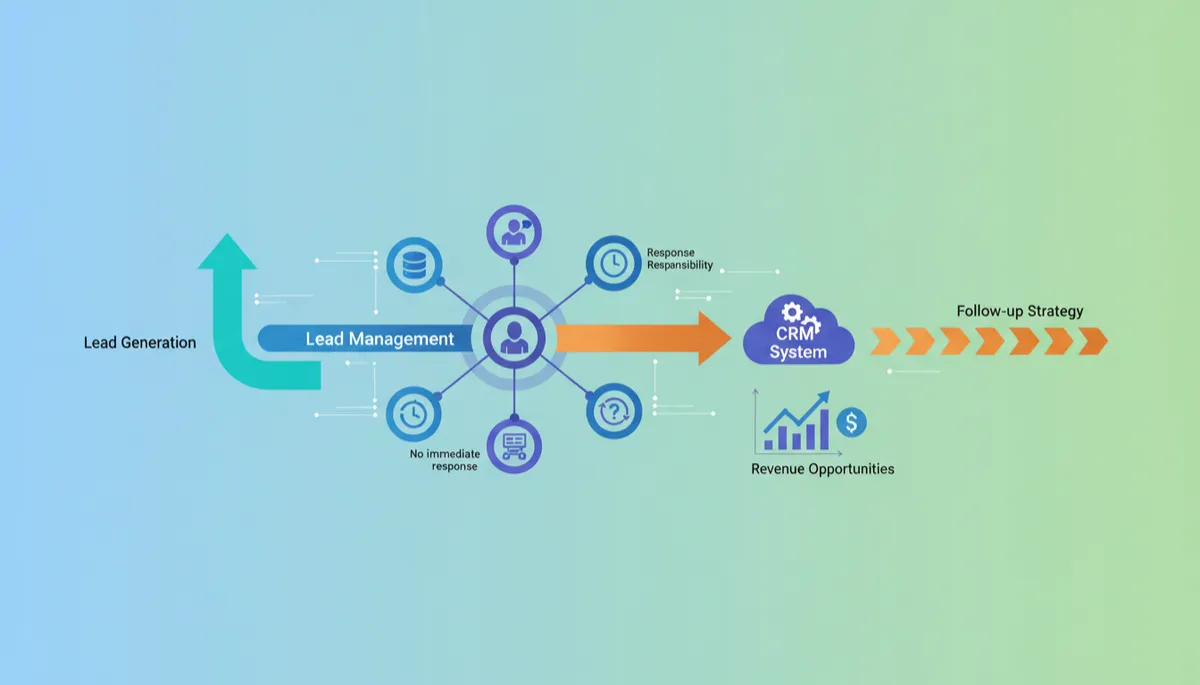
Generating a steady stream of leads is exciting—but without a strong Lead Follow-up and Lead Management process, those opportunities quietly slip away. Treating follow-up with the same importance as Lead Generation is what turns interest into revenue.
The Significance of Effective Lead Management
Every lead represents someone who has already raised their hand. They have clicked, downloaded, booked, or enquired—meaning you have already invested time and budget to win their attention. Effective Lead Management is the discipline that protects that investment by ensuring each prospect is:
Captured accurately and stored in the right place
Assigned clearly to someone responsible for follow-up
Contacted quickly with a relevant, helpful response
Without this structure, leads go missing in inboxes, get forgotten on spreadsheets, or receive inconsistent outreach. Strong Follow-up Strategy is not just operational hygiene—it is a direct revenue lever.
Question 1: Where Is the Lead Stored?
The first critical question in Lead Follow-up is simple: Where does the lead actually live? If leads are scattered across email inboxes, spreadsheets, chat tools, and business cards, follow-up will always be inconsistent and incomplete.
Centralizing every opportunity in a single CRM System gives your team one source of truth. You can see who the prospect is, how they found you, what they engaged with, and what has already been said. This clarity is the foundation of professional Lead Management and reliable Customer Response.
Question 2: Who Is Responsible for Responding?
The next question is ownership: Who picks up this lead? When this is unclear, leads fall into the gap between marketing and sales, or between team members who assume “someone else will handle it.”
A good CRM System allows you to assign each new lead to a specific person or team and track whether they have responded. This accountability supports a consistent Follow-up Strategy and makes it easy for managers to see where coaching or capacity is needed.
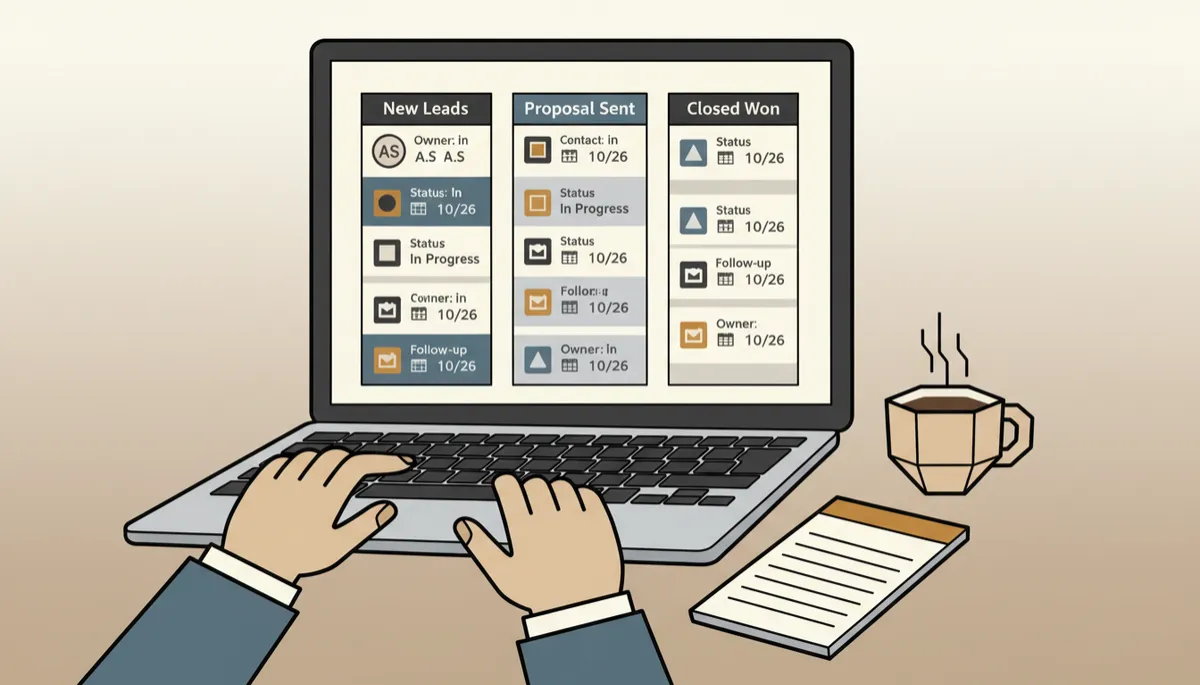
Clear ownership and next steps in the CRM dramatically reduce forgotten or stalled leads.
Question 3: How Quickly Will the Prospect Receive a Reply?
Speed matters. Prospects often contact multiple vendors at once, and the first helpful reply has a major advantage. Improving Customer Response time is one of the easiest ways to unlock more revenue from the exact same volume of leads.
By routing new inquiries straight into your CRM System and triggering alerts or tasks, your team can respond within minutes instead of hours or days. Even a short, friendly acknowledgment—“We received your request and we’re on it”—sets the tone for a professional relationship and keeps the conversation alive.
💡 Pro Tip: Measure average response time inside your CRM and set a clear internal target, such as replying to every new lead within one business hour.
Question 4: What Happens If the Prospect Does Not Respond Immediately?
Many prospects are interested but busy. They open your email, get pulled into a meeting, or intend to reply “later.” If your Follow-up Strategy is just one outreach and then silence, you are leaving money on the table.
Instead, design a planned sequence: a friendly reminder, a value-driven resource, a short check-in call, or a final “Should I close your file?” message. Continuing the conversation respectfully over time shows professionalism and keeps your brand top of mind without being pushy.
The Benefits of Centralizing Opportunities with a CRM System
A modern CRM System does more than store contact information. It centralizes every opportunity, interaction, and next step in one organized place. This visibility allows you to:
See exactly where each lead sits in your pipeline
Prioritize high-intent prospects and time-sensitive opportunities
Avoid duplicate outreach or conflicting messages from different team members
When everything is centralized, you can finally manage your Lead Follow-up process with intention instead of relying on memory or scattered notes.
Using Automation to Support the Team, Not Replace It
Automation inside your CRM System can take care of the repetitive, time-sensitive tasks that humans often forget. For example, you can automatically:
Send an instant confirmation email when a form is submitted
Create follow-up tasks for the owner after each interaction
Trigger reminder emails if a prospect has been quiet for a set number of days
Automation does not replace the personal touch; it supports your team by ensuring no step is missed. This balance between human conversation and automated structure is what makes a scalable, reliable Follow-up Strategy.
Planned Follow-Up Sequences: Keeping the Conversation Going
The most successful teams think in sequences, not single messages. They map out a series of touchpoints—emails, calls, social touches, content shares— that guide the prospect from initial interest through to decision. Each step adds value, answers questions, and reduces friction.
Designing these sequences inside your CRM System makes it easy to repeat what works and refine what does not. Over time, your planned follow-up becomes an asset: a predictable engine that converts a higher percentage of leads into customers.
Faster Response, Better Organization, More Revenue
When you answer the key questions—where leads are stored, who responds, how fast, and what happens next—your Lead Follow-up stops being reactive and becomes a deliberate growth strategy. Better organization and faster Customer Response times mean:
Fewer missed opportunities and “lost” leads
Higher conversion rates from the same marketing spend
A more predictable, measurable revenue pipeline
In other words, improving response time and organization does more than tidy up your process—it directly unlocks revenue opportunities. When Lead Generation and follow-up work together, you get the full value of every lead you earn.